My journey into Forest Therapy began with a profound encounter in the forests of the Blue Ridge Mountains in Virginia, USA. As I wandered on the trails, I was inexplicably drawn to a single leaf in the canopy. Bathed in the gentle sunlight that filtered through the dense canopy, this leaf’s vivid green hue held me captive.
Within this solitary leaf, I discovered a world of wonder. Its intricate veins, resembling nature’s intricate map, revealed tales of growth and resilience. The gentle serrations along its edges showcased the finest craftsmanship of nature.
While the forest enveloped me with its whispers—the rustling leaves, the soft hum of insects, and the distant calls of birds—it was this lone leaf that anchored me. It instilled patience and served as a reminder to cherish even the smallest moments.
As I continued my unhurried walk, that leaf etched itself into my memory, a testament to the profound impact nature can have on the human soul, urging us to pause and savour its inherent beauty.
This experience sparked a deep curiosity and led me to explore the Japanese practice of Shinrin Yoku, also known as ‘Forest Bathing.’ I yearned to understand more about the therapeutic benefits of immersing oneself in nature, a connection I had felt so deeply during my forest walk. The practice underscored the profound impact of nature on well-being.
Stress is the health epidemic of the 21st century and is responsible for many forms of chronic illnesses. Forest Therapy is a therapeutic approach rooted in immersing oneself in natural environments, often within forests. Its aim is to alleviate stress, enhance overall well-being, and bolster mental health. This practice offers numerous benefits, including anxiety reduction, blood pressure normalization, immune system enhancement, and the cultivation of a profound sense of tranquillity. Beyond these individual advantages, spending time in natural surroundings encourages relaxation and mindfulness, aiding individuals in re-establishing their connection with the environment and finding solace in its captivating beauty.
Moreover, Forest Therapy underscores the wisdom of indigenous traditions, highlighting the healing potential of nature connection and the holistic benefits it can offer.
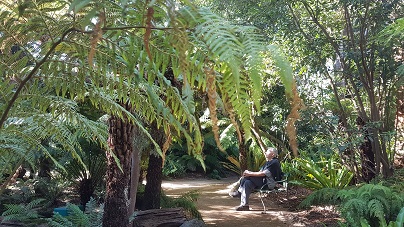
To join our guided Forest Therapy walks:
- Research and Schedule: Visit our website for walk details and sign up. https://infta.net/
- Register Early: Secure your spot in advance; some sessions have limited availability.
- Come Prepared: Wear weather-appropriate attire and comfortable shoes. Bring essentials like water, insect repellent, and a small backpack.
- Arrive Promptly: Be at the meeting point on time to check in, meet your guide, and get to know your group.
- Mindful Participation: Fully engage with an open mind. Follow the guide’s prompts and participate in mindfulness activities that connect you with nature.
- Disconnect: Turn off your electronic devices and tune into nature.
- Share and Reflect: Join group sharing and reflection sessions to discuss your experiences and insights.
- Practice Afterward: Apply what you’ve learned in your future nature excursions and daily life for lasting benefits.
Attending our guided forest therapy walks at the Geelong Botanic Gardens lets you experience nature’s rejuvenating effects and learn to incorporate them into your daily life.
By Susan V. Joachim, President, International Nature and Forest Therapy Alliance (INFTA) She brought Forest Therapy to Australia. We loved our Forest Therapy session, thanks. Interested in finding out more? Google Phytoncides or Forest Bathing.
Story posted by: Jacqui Bennett (Life Coach). Photo supplied.
 HuG
HuG 